Introduction: The Interconnectedness of Health
One Health is a simple idea: human health, animal health, and the environment are connected. If one is ignored, the others are affected too. In recent years, public health events have made this connection easier to see, but the concept has been around for a long time.
One Health helps us look at health in a wider way. It is not only about treating illness after it happens. It is also about prevention, early action, and better coordination so problems do not grow bigger over time.
In this blog, we will explain what One Health means, why it matters, and how it supports healthier communities and better animal welfare outcomes.
Defining One Health
One Health is an approach that treats people, animals, and the environment as one shared health system. It recognizes that some diseases can pass between animals and humans, and that environmental conditions such as water quality, sanitation, waste, and climate can influence health for everyone.
One Health also encourages collaboration. Doctors, veterinarians, animal welfare teams, researchers, and local authorities all have a role. When these groups work together, prevention becomes stronger and response becomes faster and more organised.
The Three Pillars of One Health
One Health is often explained through three pillars: human health, animal health, and environmental health.
Human Health
Human health includes access to healthcare, clean water, sanitation, and disease prevention. One Health adds an important layer by recognising that human risk can increase when animal health and environmental health are not managed well.
For example, when a disease starts in animals and spreads to humans, the response cannot come from only one sector. Prevention works better when risks are noticed early and information is shared across teams.
Animal Health
Animal health covers pets, street animals, livestock, and wildlife. It includes vaccination, treatment, and humane care that reduces suffering and also reduces disease risk.
When animals are protected through planned vaccination and timely treatment, communities benefit too. Animal health is not separate from public health. It is part of it.
Environmental Health
Environmental health includes air quality, water safety, cleanliness of public spaces, and ecosystem balance. These factors affect both animals and humans.
For instance, poor waste handling can increase contact between animals and people. Extreme weather can change where animals move and shelter. One Health treats these as connected signals that need planned action, not isolated fixes.
The Importance of One Health in Disease Prevention
Many infectious diseases are zoonotic, meaning they can pass between animals and humans. That is why prevention depends on more than only human healthcare.
One Health supports prevention through better monitoring, early detection, and coordinated response. It also supports planned vaccination and disease control in animal populations, which reduces risk for everyone.
The goal is simple: reduce health risks early and avoid bigger outbreaks later.

Applications of One Health in Animal Welfare
One Health also supports animal welfare because it encourages planned and preventive care. Vaccination programs, timely treatment, and humane population management reduce suffering in animals and reduce risk for communities.
It also supports better practices in areas like hygiene, sanitation, and responsible use of medicines. When animals are healthier and environments are cleaner, outcomes improve across the system.
Global Challenges and One Health Solutions
One Health matters today because many challenges affect humans, animals, and the environment at the same time. Climate change, antibiotic resistance, and habitat disruption can increase health risks and change disease patterns.
One Health helps by focusing on root causes and prevention. It supports long term planning and coordination, instead of only reacting after problems become urgent.
Conclusion: Why One Health Matters
One Health is a practical way to understand health as one connected system. It supports prevention, better coordination, and healthier outcomes for people, animals, and the environment.
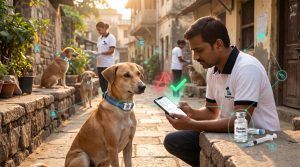
This matters for structured stray dog management because vaccination, sterilisation follow ups, injury reporting, and environmental conditions together shape public health outcomes and community safety. IndieCare AI enables a One Health approach by turning these interventions into a system through Dog Aadhaar, where dogs are identified, their health status is recorded, and coverage can be tracked over time. With structured tracking, teams can coordinate better, close gaps area wise, and sustain consistent management instead of repeating scattered efforts.